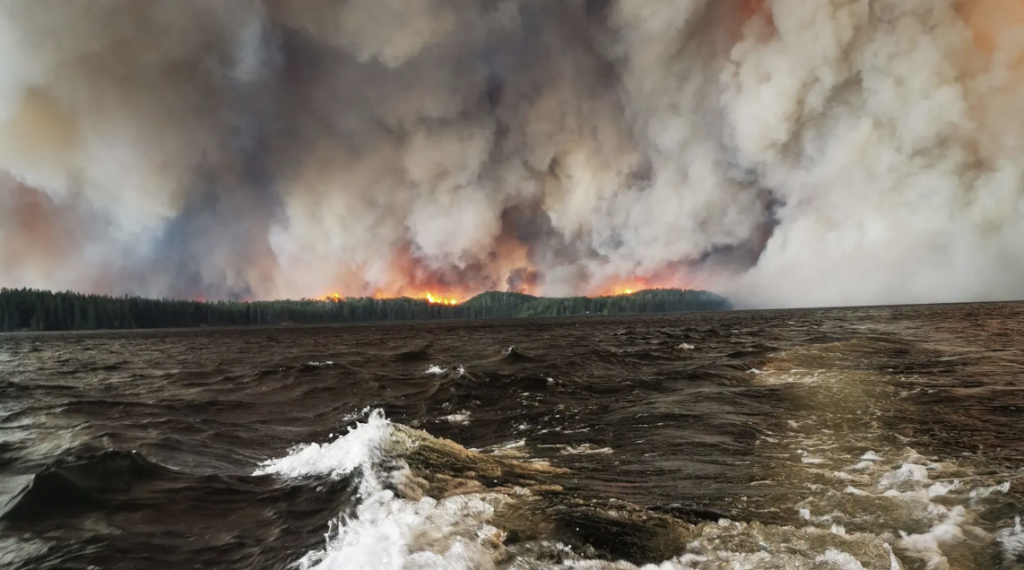
Wildfires are burning bigger, faster, and more often across Canada. Even when the flames are out of the news, their impacts remain — on the air we breathe, the water we drink, and the safety of our communities.
The impacts of wildfires are not just about “natural disasters.” They show the deeper problems we face today.
Wildfires across northwestern Ontario have forced 13 First Nation communities to evacuate, displaced over 2,400 people, and destroyed Namaygoosisagagun First Nation and Whitewater Lake First Nation (Honeybun, 2026; Law & Ketonen, 2026). Several communities began evacuating themselves before receiving formal provincial assistance (Honeybun, 2026).
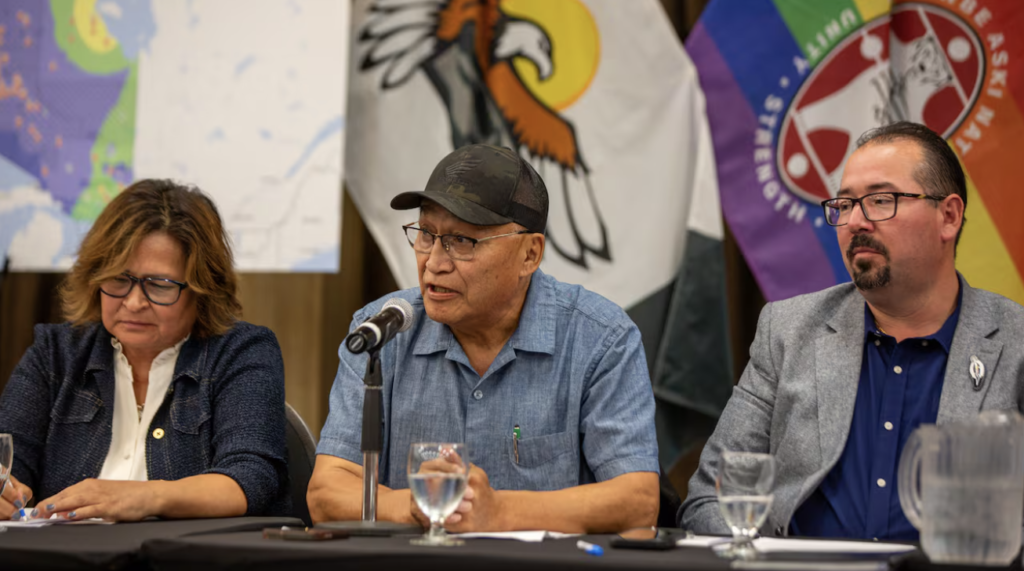
On July 21, First Nations Leaders in northwestern Ontario held a press conference to call for a public inquiry into the provincial emergency responses to the wildfires (Law & Ketonen, 2026). In this press conference, deeper structural problems were pointed out, including inadequate emergency preparedness, poor communication, unequal resource allocation, and the continued exclusion of First Nations in decision-making.
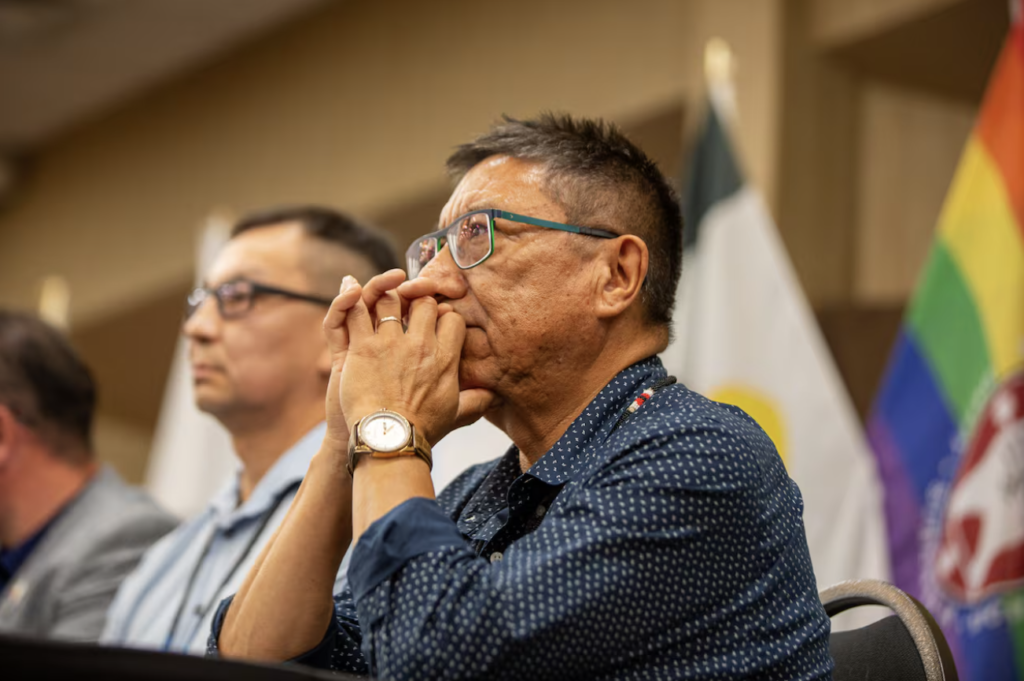
Grand Chief Alvin Fiddler of Nishnawbe Aski Nation drew attention to
unequal emergency-management system where First Nations are largely excluded from decision-making and are expected to operate within a municipal model that does not recognize their law, funding structures, or need for long-term prevention (Syed, 2026).
Fiddler also criticized the Ford government for prioritizing critical mineral development while failing to adequately address climate change and its impacts on First Nations communities (Syed, 2026).
The 2026 wildfire emergency in northern Manitoba repeated many of the same evacuations, power outages, and emergency-response failures the community experienced during the 2025 wildfire season.
This year, a wildfire burned approximately 12,000 hectares and damaged at least 150 hydro poles, disrupting electricity, medical care, and other essential services in the O-Pipon-Na-Piwin Cree Nation (Dhillon, 2026). Most residents evacuated to Winnipeg, Brandon, or Thompson, while approximately 71 people, including essential workers, remained in the community with limited medical assistance, resources, and information about when power would be restored (CBC News, 2026). In Lynn Lake, the community with about 500 people were told to evacuate the area at the end of June (The Canadian Press, 2026).
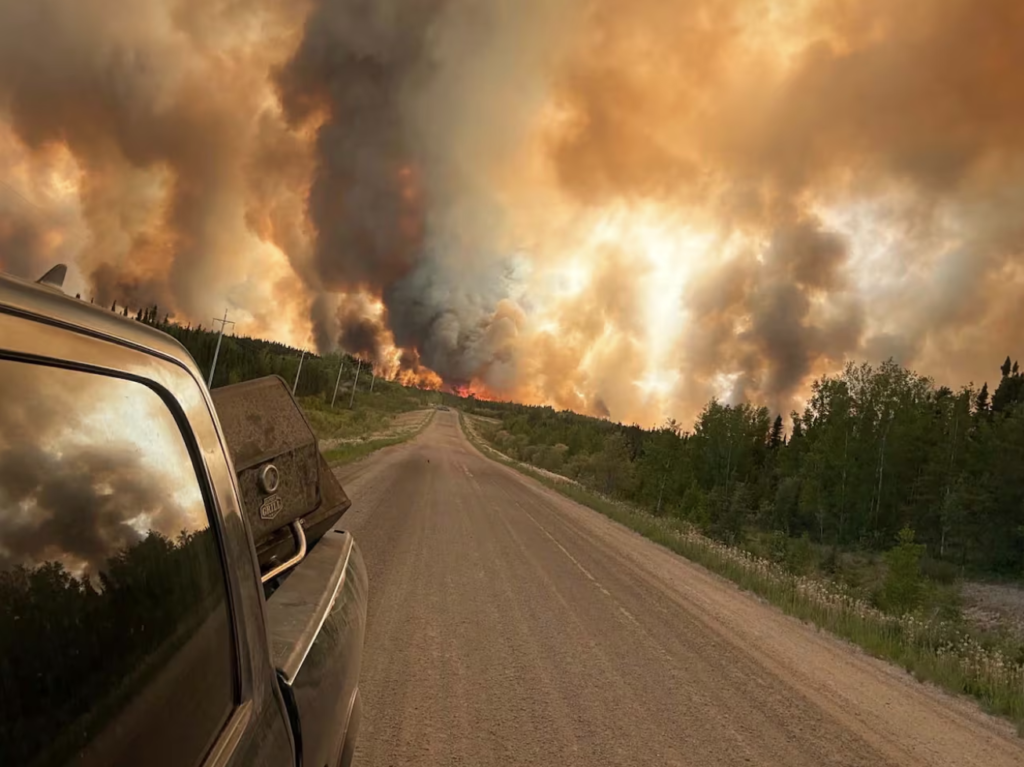
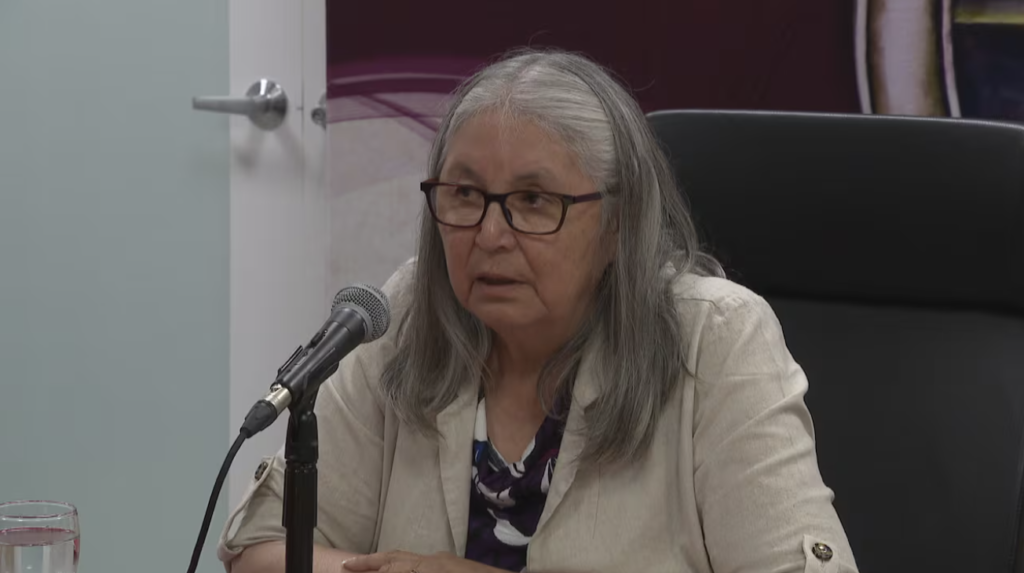
Community leaders stated that they were again left to carry out much of the emergency work themselves, despite having called for improved wildfire mitigation and infrastructure protection following the previous year’s crisis (Dhillon, 2026).
O-Pipon-Na-Piwin Cree Nation Chief Sharly Ducharme said:
“significant concerns remain regarding belated emergency response, lack of immediate assistance [and] absence of an effective emergency plan for incidents occurring during evacuation. We felt very helpless at the time.”
The recurrence of these conditions reveals an ongoing failure to learn from previous emergencies and invest in long-term prevention, health-care access, infrastructure protection, and First Nation-led emergency planning. Although government agencies emphasized their evacuation support and continuing communication, community leaders reported that requested mitigation measures had not been completed before another wildfire season placed the community at risk. The repeated damage raises questions about why emergency management continues to focus on responding after disasters occur rather than addressing the structural conditions that leave northern First Nations vulnerable year after year.
Manitoba was in the middle of one of its worst wildfire seasons ever. In 2025, over 8.3 million hectares have burned across Canada, more than twice the 10-year average (Natural Resource Canada, 2025). In fact, 2025 has officially become the second-worst wildfire season in Canadian history, trailing only the record-breaking blaze of 2023 (Bowden, 2025).
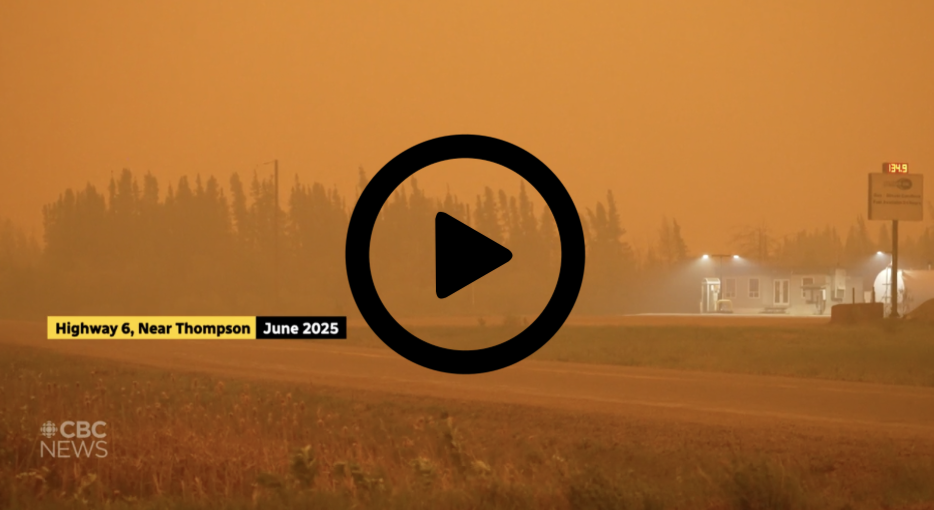
Canada is warming twice as fast as the global average, which means hotter, drier conditions are fueling longer and more intense fire seasons (Canadian Climate Institute, 2023). This is climate change in action. It’s not a future problem—it’s here now, and Manitoba is on the front lines. To learn more about how climate change is driving wildfires in Manitoba, watch the video below.
First Nations communities are hit the hardest by wildfires, yet they are often left with unsafe evacuations, poor support, and long-lasting damage to their homes, health, and lands.
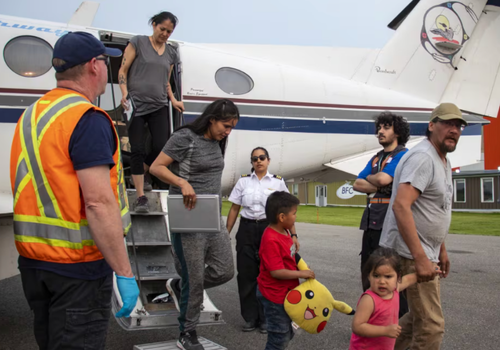
In 2025, Mathias Colomb First Nation (Pukatawagan) was evacuated for more than 100 days after fire destroyed power lines (Orozco, 2025). Families were scattered across the province, unable to return home. The chief asked for funding for a temporary generator so people could come back sooner, but governments refused (Orozco, 2025) — while Manitoba Hydro was slow to restore power poles and critical infrastructure. Though repairs have begun, Manitoba Hydro’s repairs are slow, with full restoration in some remote communities was estimated to take from September to October—a whole month (Hydro’s own timeline) (Manitoba Hydro, n.d.).
In the Island Lake region, four First Nations were forced to evacuate multiple times in 2025 (Scott, 2025). Chiefs said these emergencies could have been prevented if governments invested in firebreaks, local firefighters, and safe road access (Scott, 2025). Instead, far more money is spent on evacuations after fires start than on prevention.
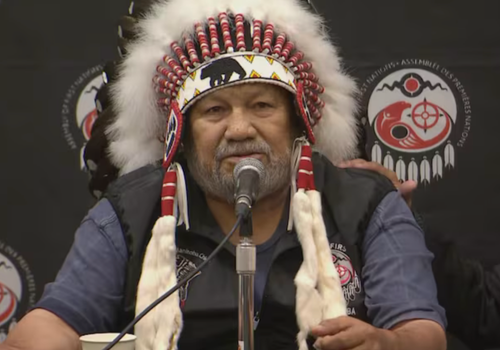
As Grand Chief Alex McDougall said (Scott, 2025):
“We are not burning because of fate, we are burning because budgets refuse to bend. Let’s choose investment over neglect.”
Manitoba
To be updated
Northwestern Ontario
Namaygoosisagagun First Nation
(monetary donation and support)
Visit here
Northern Reach Network
(monetary donation/help displaced families and their animals)
Visit here
Whitesand First Nation
(direct e-transfer)
Send an Interac e-transfer to donations@whitesandfirstnation.com. Include your full name in the comment section to receive a tax receipt.
United Way of Thunder Bay & Thunder Bay Community Foundation
(monetary donation)
Visit here
Mikinakoos Children’s Fund
(monetary donation)
Visit here
Ontario SPCA
(monetary donation/help displaced families and their animals)
Visit here
Canada
Canadian Red Cross
(monetary donation)
Visit here
Canadian Wildfire Relief Efforts
(monetary donation)
Visit here
True North Aid
(monetary donation)
Visit here
Moontime Connections
(monetary donation/menstral products support)
Visit here
We use cookies to improve your experience on our site. By using our site, you consent to cookies.
Manage your cookie preferences below:
Essential cookies enable basic functions and are necessary for the proper function of the website.